
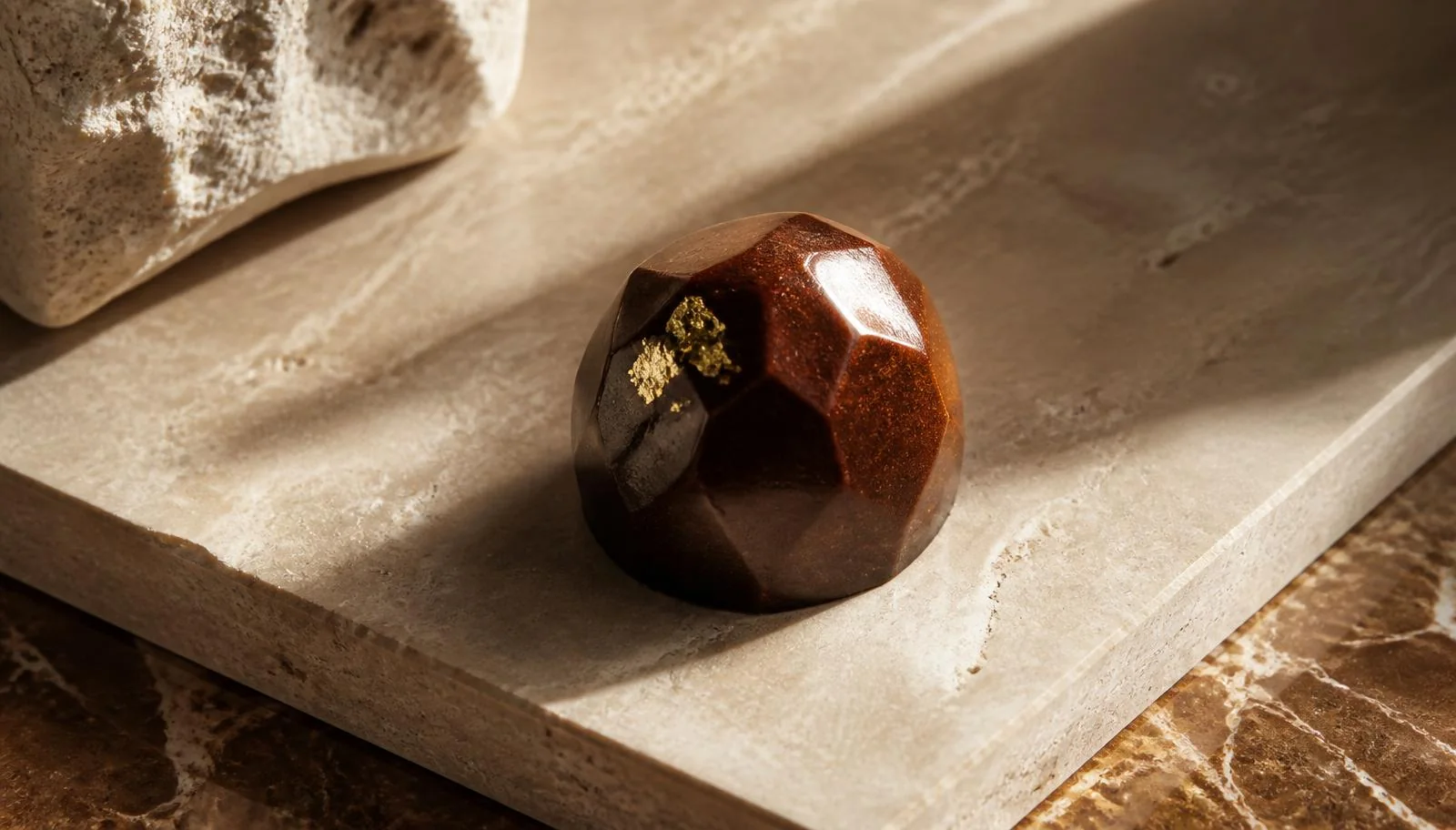
For a long time, chocolate was associated primarily with the pleasure of eating. Found in bonbons, desserts, bars, and various confectionery preparations, it earned a place among gastronomy's most beloved creations. Today, however, its presence transcends the purely gustatory experience.
In fine dining restaurants, hotels, and specialized pastry shops, chocolate has come to occupy a space ever closer to design and art. Desserts take on architectural forms, bonbons are meticulously designed, and individual pieces are molded, sculpted, and finished by hand, transforming the raw material into creations that inspire admiration even before they are tasted.
This transformation reveals a singular characteristic of chocolate: its ability to assume virtually any form without ceasing to be recognized as food. It can be delicate or monumental, minimalist or exuberant, understated or surprising. Within each of these possibilities lies a meeting of technique, creativity, and aesthetics.
It is in this territory, between gastronomy and artistic expression, that chocolate is beginning to be perceived differently. More than an ingredient used to compose a dessert, it can become the protagonist of the creation itself — a true gastronomic jewel, crafted to be admired, appreciated, and finally, experienced.
When Dessert Became a Visual Experience
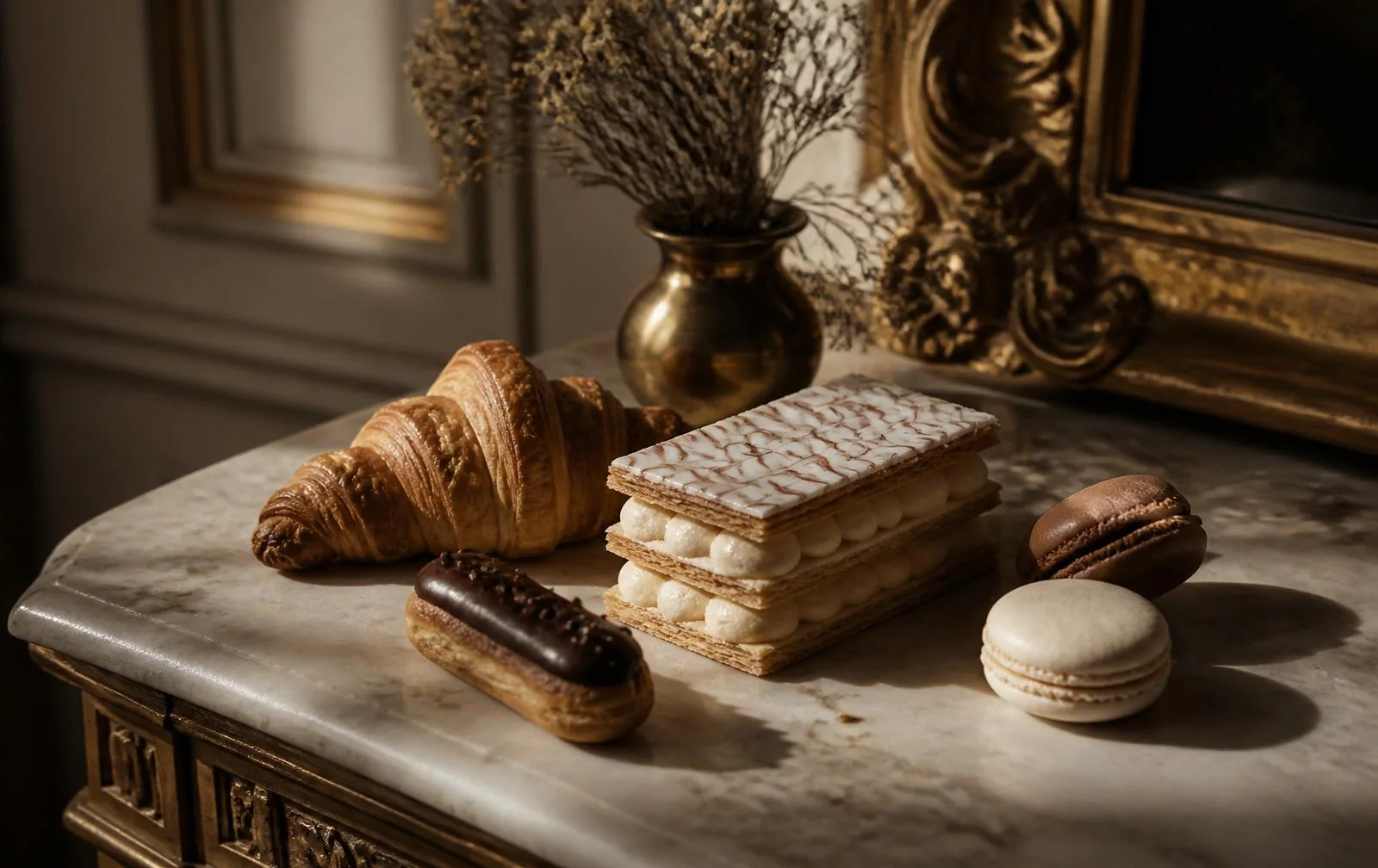
For a long time, dessert played a relatively predictable role in meals: it was the final moment, responsible for concluding the gastronomic experience with something sweet. In haute cuisine, however, this perception began to change. Dessert started to be conceived as an important part of a meal's narrative, receiving the same meticulous care as the dishes that preceded it.
This movement brought increasing attention to presentation. Shapes, volumes, colors, textures, and contrasts became part of the creative process, transforming dessert into an experience that begins before the first bite. The plate is no longer just a vessel for food but participates in the composition, building anticipation and piquing the guest's curiosity.
In this landscape, chocolate proved particularly versatile. Its versatility allows it to be worked into different thicknesses, textures, and shapes, while also enabling precise finishes and structures that would be difficult to achieve with other ingredients. It can appear as the central element of a dessert, serve as a delicate decoration, or take on shapes that completely transform the dish's presentation.
High-end gastronomy thus began to explore chocolate not only for the flavor it offers but also for its ability to contribute to a creation's visual construction. Desserts from restaurants renowned for their haute cuisine started to feature chocolate in increasingly elaborate ways, allowing the ingredient to participate simultaneously in the aesthetics and the sensory experience.
This shift reveals an important transformation: dessert is no longer just what is eaten at the end of a meal, but also what is contemplated, what sparks curiosity, and what builds anticipation. And chocolate, with its capacity to unite flavor, form, and precision, has become one of the most expressive ingredients in this new gastronomic language.
When Chocolate Becomes Art
In expert hands, chocolate can cease to be merely a part of a dessert and take on the role of a raw material for creations that approach sculpture. Chocolatiers and pastry chefs have begun to explore its plasticity to develop flowers, geometric shapes, objects, figures, and entire structures, often molded and finished by hand.
This work demands a particular combination of precision and sensitivity. Temperature, thickness, gloss, texture, and finish must be carefully controlled for the chocolate to take on the desired form without losing its characteristics. Every detail affects the result, from the way the piece is molded to how light falls upon its surface.
What emerges from this process can completely transcend the traditional idea of a sweet treat. These are pieces conceived to inspire admiration, provoke curiosity, and create a visual experience even before they are tasted. In some cases, the richness of detail is so great that the first reaction to the creation is to contemplate it, rather than to immediately eat it.
This convergence of chocolate and art has also opened the door to a new language within confectionery. The shape is no longer just a consequence of the recipe but has become part of the creation itself. Proportions, volumes, lines, and surfaces are intentionally designed, just as they would be in a piece of design or sculpture.
But there is a peculiarity that makes chocolate even more fascinating: unlike a conventional work of art, these creations are made to disappear. Their beauty is fleeting. After being admired, the piece is broken, shared, and finally, tasted.
It is precisely this impermanence that makes chocolate so singular as a gastronomic expression. Unlike a conventional work, its existence is tied to the very act of being shared and transformed into an experience.
Between Art and Food
Its beauty may spark the initial enchantment, but it is the flavor that completes the experience. This combination of aesthetics and gastronomic pleasure is precisely what makes chocolate so unique.
A piece can be delicately sculpted, feature precise forms, and have an impeccable finish, but it must also offer balance when it reaches the palate.
It is at this point that the chocolatier's work takes on another dimension. Creating a chocolate piece requires thinking simultaneously about its appearance and its tasting experience. The form must respect the raw material, just as the visual elements must be in dialogue with what will be revealed inside the piece and through each bite.
This relationship between beauty and flavor also changes the expectations of those receiving or tasting a creation. First, the eye discovers the piece. Then, curiosity about its texture and flavors arises. Finally, the tasting reveals what the presentation had only anticipated. The experience, therefore, occurs in different stages, beginning with contemplation and ending on the palate.
Chocolate as an Object of Desire
When a chocolate creation is carefully designed, molded, and presented, its relationship with the person experiencing it begins even before the tasting. The shape, the packaging, the details, and the way the piece is presented all build anticipation, transforming the chocolate into something that also awakens desire for what it represents.
This perception is especially evident in high-end chocolateries and pastry shops, where the product is conceived as a complete experience. A box of bonbons can take on the characteristics of a design object; a chocolate piece can be created specifically for an occasion; and a collection can be presented so carefully that the ensemble acquires an identity of its own.
In this context, chocolate ceases to be merely a gastronomic choice and comes to occupy an emotional and symbolic space. It can mark a celebration, represent a tribute, form a gift, or simply express the care of the person who chose to offer it.
This transformation helps explain why certain creations remain in memory long after they are consumed. The chocolate disappears, but the experience built around it endures: the anticipation of opening a box, the surprise at seeing a piece, the beauty of the presentation, and the pleasure of the tasting are all part of the same memory.
It is precisely this ability to unite beauty, desire, and flavor that makes chocolate such a singular raw material.
The New Generation: Chocolate Arrives on the Dessert Table
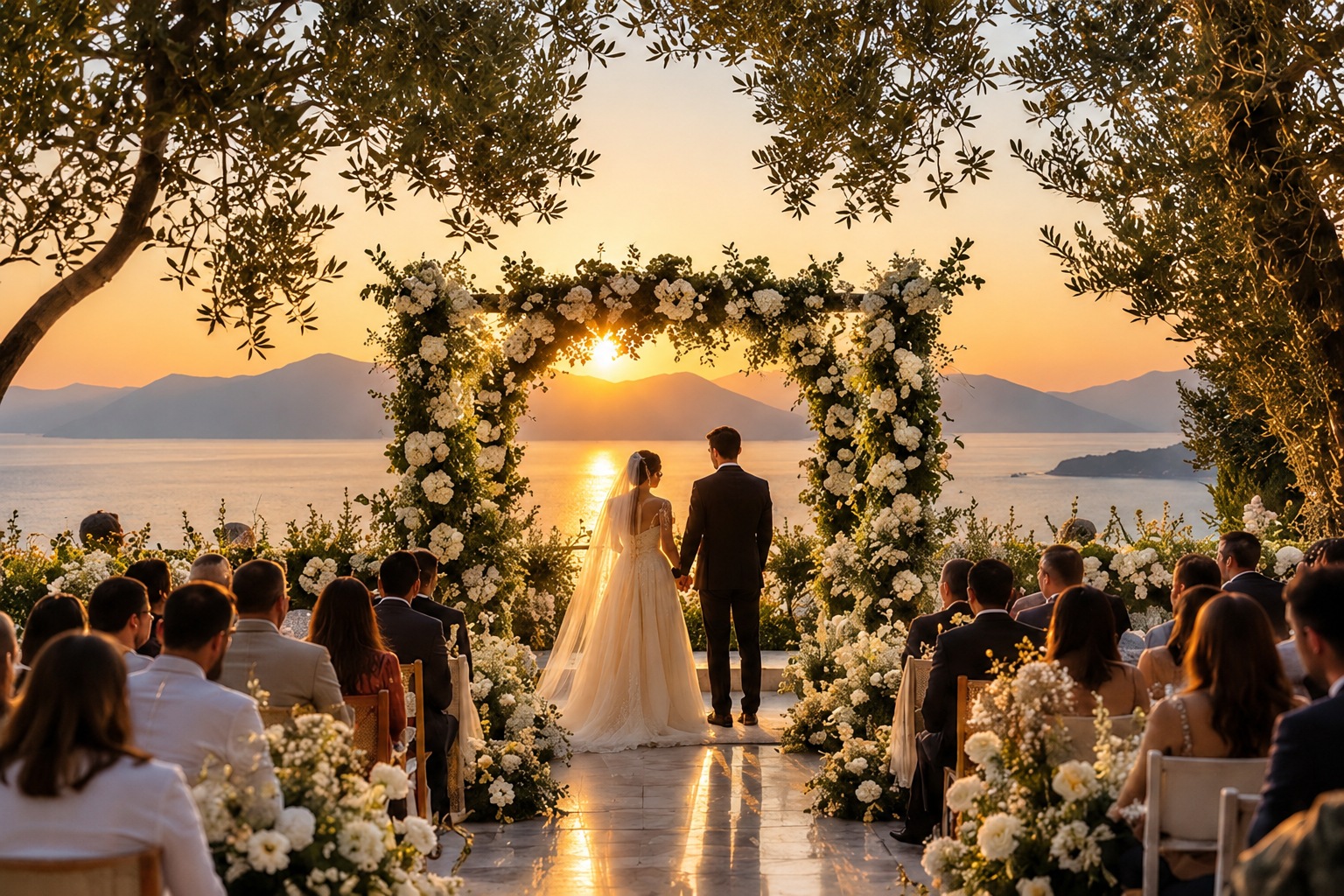
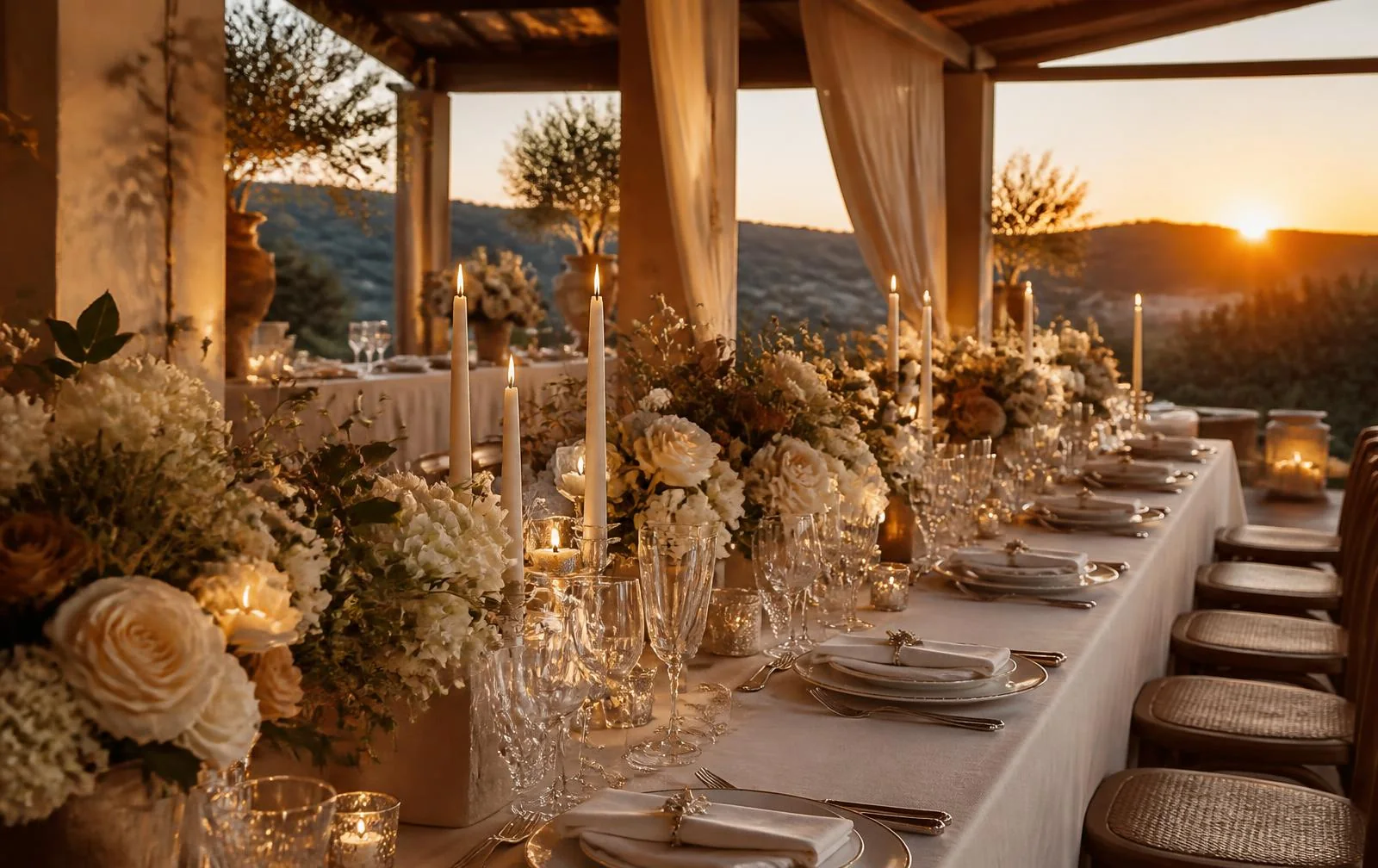
The transformation of chocolate was not confined to fine dining restaurants or the creations of leading chocolateries. Gradually, this new way of seeing the ingredient also found its way into celebrations, especially onto wedding dessert tables, where chocolate has come to occupy an increasingly significant space.
As explored in previous editions of the Observatory, a new generation of dessert tables is transforming how guests interact with this moment of the celebration. Artisanal bonbons have taken center stage, and in many arrangements, have begun to share—or even redefine—the space long occupied by traditional sweets.
This movement also parallels the evolution of chocolate itself. As bonbons and other creations received greater attention to form, finishes, textures, and flavor combinations, they ceased to be just another option on the table and began to contribute to its visual and gastronomic identity.
The variety of formats has also expanded the possibilities for composition. Delicately molded bonbons, creations with different volumes, glossy or textured surfaces, and increasingly sophisticated flavor combinations allow for the construction of tables where chocolate participates not only in the tasting but also in the aesthetics of the celebration.
This change even alters the way the table is discovered by guests. The eye first encounters the shapes and finishes; then, curiosity leads to the choice of flavors. Each creation can spark new anticipation, turning the tasting into an experience of discovery throughout the event.
The result is a dessert table where chocolate no longer necessarily plays a supporting role. It can establish rhythms, create contrasts, contribute to the visual composition, and, above all, offer a gastronomic experience capable of dialoguing with the celebration's identity.
This is one of the characteristics of the new generation of dessert tables: chocolate is not just present. It becomes part of building the experience.
Chocolate has traveled a long road to occupy the place it holds in gastronomy today. From an ingredient used in traditional preparations, it has evolved into a defining element of desserts, take on sculptural forms, inspire desire through design, and assume an increasingly important role on dessert tables.
This transformation reveals chocolate's ability to move between different worlds—from haute cuisine to art, from design to celebrations—without losing its essence.
Perhaps it is precisely this ability to unite beauty, technique, desire, and flavor that makes chocolate a true gastronomic jewel.
In the end, a jewel is recognized by its details. And in gastronomy, perhaps chocolate is one of the ingredients that best allows these details to be revealed—in a dessert, in a bonbon, in a sculpture, or on a dessert table. Each creation may be different, but they all carry the same potential: to transform something that is eaten into something that is also contemplated, desired, and remembered.
Get our next editorials.
Receive the next issues of the Observatory, along with trends, stories and exclusive LEBBEKE content, straight to your inbox.
No spam. Unsubscribe anytime.