
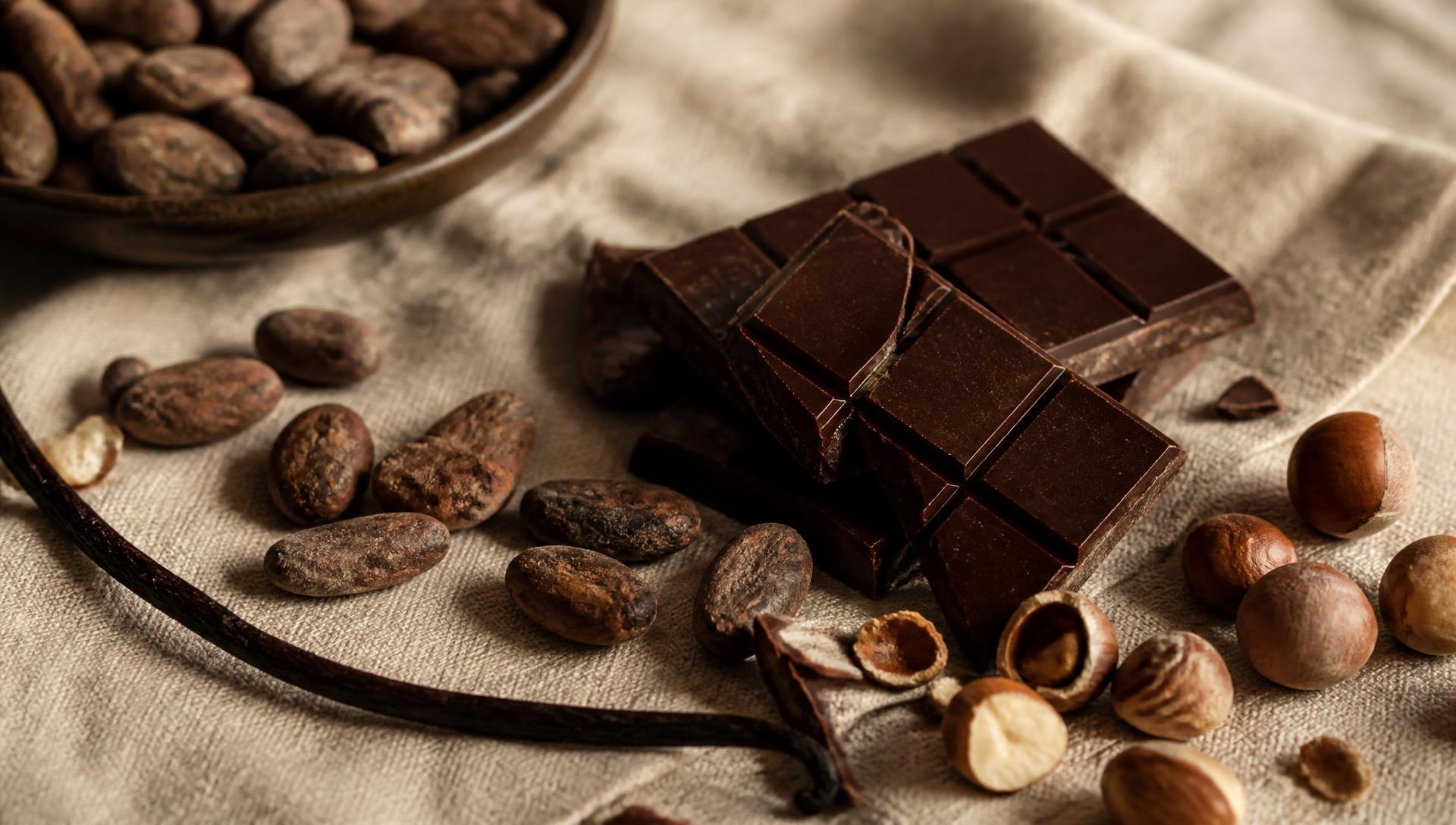
For many years, the quality of a sweet was measured primarily by the final result: its flavor, texture, presentation, and the technique involved. While these aspects remain fundamental, a new element has taken a prominent place in contemporary pâtisserie: the origin of its ingredients.
Just as with coffee, wine, artisanal olive oils, and cheeses, there is a growing interest in understanding where ingredients come from, who produces them, and the characteristics they possess even before reaching the kitchen. More than just knowing a recipe, consumers have begun to value the story behind each ingredient.
This movement represents not just a shift in preference, but a new way of perceiving gastronomy. Provenance is no longer a technical detail but has become part of the experience, revealing aspects such as terroir, seasonality, cultivation methods, and the unique identity of each ingredient.
In pâtisserie, this transformation influences everything from the choice of chocolate and vanilla to fruits, nuts, honeys, and spices. Beyond simply selecting high-quality ingredients, there is a growing search for ingredients capable of telling a story and conveying authenticity in every creation.
The Rise of Provenance
The appreciation for origin ingredients did not emerge in isolation within pâtisserie. It accompanies a broader transformation in gastronomy over recent decades, driven by chefs, producers, researchers, and consumers who began to see food from a new perspective.
Although this topic is widely discussed today, its roots can be traced to broader changes in gastronomy that gained momentum during the 1990s. During that period, gastronomy increasingly valued regional identity, small-scale producers, and ingredients tied to the territory where they were grown or made. During the 2000s, these movements gained further momentum through the expansion of specialty coffee, origin-focused wines, artisanal olive oils, and the farm-to-table philosophy, which brought producers, kitchens, and consumers closer together. Gradually, knowing the provenance of ingredients evolved from a curiosity into an integral part of the gastronomic experience.
For a long time, the food industry focused its efforts on standardization. The priority was to offer products with consistent characteristics, regardless of their region of production or the time of year. Slowly, however, this model began to give way to a new appreciation for diversity, authenticity, and the identity of ingredients.
In pâtisserie, this change occurred gradually. Chocolates made with cacao from different regions, vanillas from distinct origins, seasonal fruits, and select nuts came to be valued not only for their flavor but also for the identity they impart to creations. The ingredient ceased to be seen merely as a component of a recipe and began to be recognized as part of the narrative built around the sweet.
This movement is still evolving. Increasingly, quality and provenance go hand in hand, reinforcing the idea that understanding the origin of ingredients is also a way of understanding the value of what arrives at our table.
Consumers Have Come to Value Provenance
In recent decades, the relationship between consumers and food has changed significantly. While attention was once focused primarily on the final product, today, consumers are increasingly interested in understanding its origin, production methods, and the people involved in its creation. This transformation can be seen across different segments of gastronomy and reflects an increasing demand for authenticity, transparency, and quality.
Coffee was one of the first examples of this movement. Gradually, consumers began to differentiate between varieties, producing regions, cultivation methods, and sensory profiles. The same occurred with wines, olive oils, artisanal cheeses, honey, vanilla, nuts, and various other ingredients that ceased to be seen merely as commodities and came to be recognized for their own unique characteristics.
In pâtisserie, this behavior has also become increasingly prevalent. More than just enjoying a sweet for its flavor, many consumers have become interested in the ingredients that compose it—the provenance of the chocolate, the origin of the vanilla, the selection of fruits, or the choice of nuts. The story behind each ingredient has become part of the gastronomic experience.
This new perspective does not simply mean valuing rarer or more exclusive ingredients. It represents a shift in perception, where knowing the origin of ingredients has become a way to better understand the identity of each creation. After all, just as with a fine wine or a specialty coffee, provenance also influences the final result of a sweet.
How Origin Ingredients Are Transforming Pâtisserie
In contemporary pâtisserie, this movement has also gained strength. A chocolate produced with cacao from a specific region can present very different sensory notes from one made with beans from another origin.
More than just selecting ingredients renowned for their quality, contemporary pâtisserie seeks to build a gastronomic identity through these choices. Provenance ceases to be merely technical information and instead helps to explain part of the flavor, personality, and authenticity of each creation.
The appreciation of provenance doesn't just change how consumers view food; it also increasingly influences the creative process in pâtisserie. When each ingredient is recognized for its identity, its selection is no longer just a technical decision but becomes part of the construction of each recipe.
Therefore, contemporary patisserie does not seek merely to create pleasant flavors. It strives to build experiences where technique, creativity, and origin ingredients complement one another, allowing each creation to reveal not just a flavor, but also the identity of the ingredients that made it possible.
Just as a chef carefully selects the ingredients for a dish, the pâtissier also plays a curatorial role. Each choice influences the balance of flavors, textures, and aromas, making the selection of ingredients a step as important as the execution of the recipe itself.
At the same time, this way of working strengthens a more conscious form of patisserie. Instead of seeking mere standardization, there is a growing appreciation for ingredients that carry a history, reflect their origin, and preserve characteristics that could hardly be reproduced by generic substitutes.
More than just transforming ingredients into sweets, the work of the pâtissier is to reveal the best in each ingredient. When technique and provenance work in tandem, the result goes beyond gastronomic excellence: each creation comes to express authenticity, identity, and respect for the origin of the ingredients that compose it.
Over the last few years, patisserie has begun to look at ingredients in a different light. More than just selecting high-quality ingredients, there is a growing interest in understanding their origin, valuing their natural characteristics, and acknowledging the story of those who produce them. This shift brings consumers, producers, and pâtissiers closer, making each creation more authentic and meaningful.
More than just following a trend, valuing origin ingredients is to recognize that great creations begin long before a recipe is executed. They are born from the conscious choice of ingredients, from respect for their characteristics, and from the ability to transform them into experiences capable of revealing identity, culture, and flavor in every detail.



Get our next editorials.
Receive the next issues of the Observatory, along with trends, stories and exclusive LEBBEKE content, straight to your inbox.
No spam. Unsubscribe anytime.