
LEBBEKE Editorial No 015 · Casamentos
Outdoor Weddings: Sweets and Chocolate, Climate, and the Challenge of Preserving the Experience
Sun, heat, humidity, rain, and temperature changes can transform the experience of sweets and bonbons — especially those made with chocolate — making climate planning an essential part of the celebration.
1. When the celebration takes place outdoors
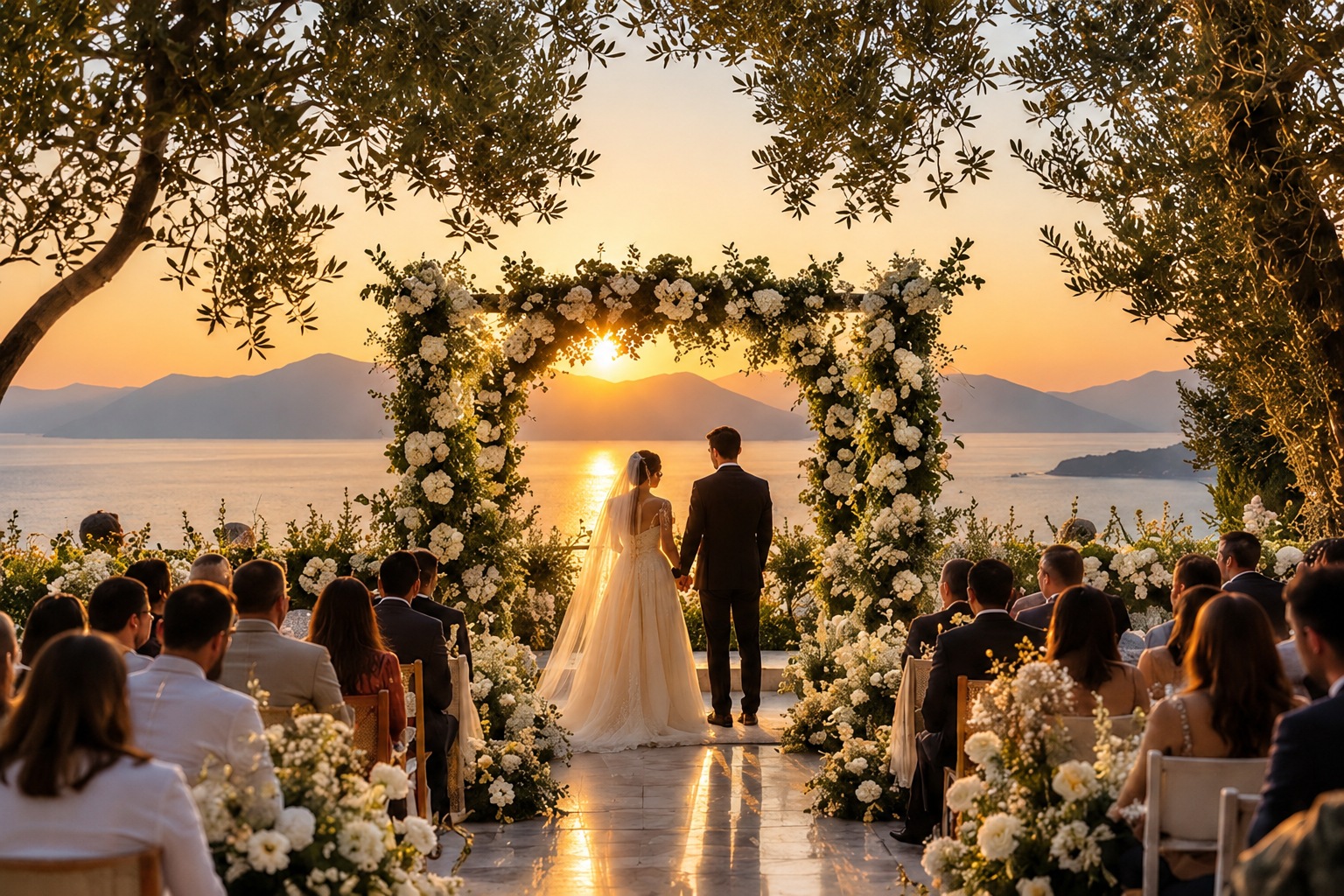
There is a particular beauty to weddings held outdoors.
The landscape becomes part of the celebration, natural light follows the course of the day, and the setting transforms as the hours pass.
But that freedom also means that not everything is under control.
The temperature can rise, the air can become stuffy, the wind can shift, and unexpected rain can completely change the conditions of the space.
For a dessert table, these changes are more than incidental. The environment becomes part of the very experience of presenting the products.
That is why, at an outdoor celebration, the weather is no longer just a matter of comfort for the guests.
It also becomes part of planning the dessert table.
2. The invisible factor: the heat the eyes cannot detect
The hardest risk to notice is not always the one right before your eyes.
Direct sunlight is obvious. A table exposed to its rays is unlikely to go unnoticed as a concern.
More subtle is the heat that lingers in the environment even when the table is protected.
Muggy heat can leave a shaded area excessively warm. Tents, enclosed structures, areas with little air circulation, and spaces that have accumulated heat throughout the day can create unfavorable conditions without any immediate visual sign.
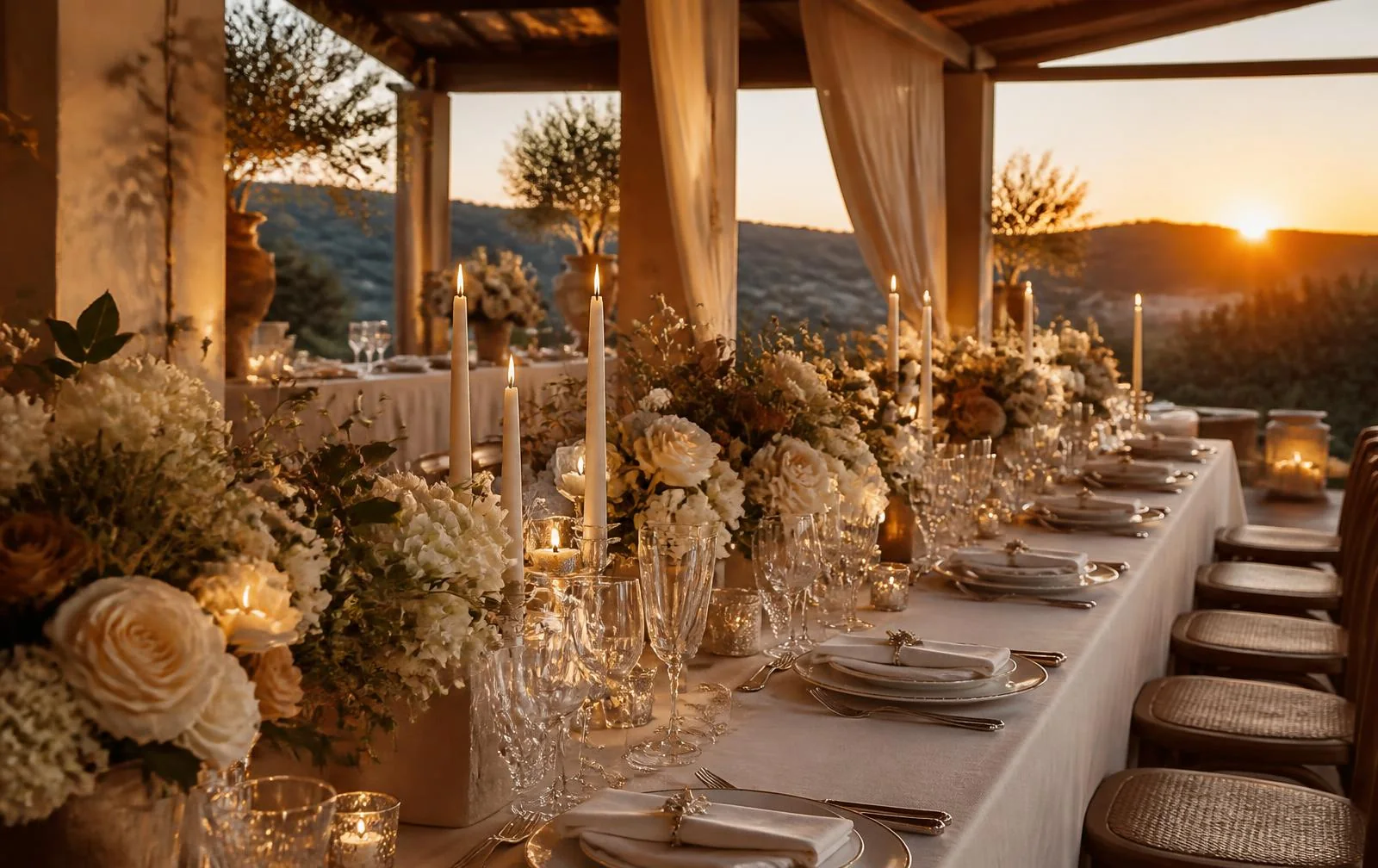
Indoors, the same logic applies. Reception halls need to provide adequate climate control, whether through air conditioning or efficient air circulation, especially on days with high temperatures. An enclosed space without adequate air exchange or climate control can trap heat even without any direct sunlight.
This is when awareness needs to go beyond what the eyes can identify.
It is not enough to ask whether the sun is shining on the sweets.
The temperature of the environment where they will remain needs to be monitored.
A table can be in the shade and still be in an environment that is too hot.
And for chocolate-based bite-sized sweets and bonbons, that difference can be decisive.
3. Direct sunlight: the risk everyone can see
If muggy heat is the hardest factor to notice, direct exposure to sunlight is the most obvious.
Sunlight can quickly raise the temperature of surfaces and the products themselves, especially during prolonged exposure.
On a dessert table, this can compromise not only the chocolate but also fillings, coatings, and various finishing elements.
Avoiding direct exposure is therefore a basic decision.
But sunlight is only what we can see. Ambient heat remains a variable even when the table is protected.
4. Before the sweets, there is the table itself
There is another detail that can go unnoticed: the condition of the very surface where the sweets will be displayed.
A tray, a metal display piece, a tabletop, a mirror, or any other element that has been exposed to heat can still be hot even when the surrounding environment already seems suitable.
Bite-sized sweets and bonbons should not simply be taken out of storage and immediately placed on a surface that has just been exposed to intense heat.
The table's setup itself needs to be ready.
This means considering where the display pieces were kept before setup, how long they were exposed to heat, and whether they have reached a suitable condition for holding the products.
It is a simple but important precaution.
Preserving the product begins before placing it on the table.
5. Not every bite-sized sweet reacts the same way
A dessert table brings together products with different structures, ingredients, and finishes, and each composition has its own characteristics.
There are bonbons made predominantly of chocolate, products with coatings, creamy fillings, pralines, caramel, fruit, nuts, and crunchy elements.
A chocolate bonbon may respond differently from a bite-sized sweet whose structure is based on another type of preparation. Fillings and coatings may also have different sensitivities to high temperatures.
That is why there is no single rule that can define how every product on a table will behave.
Knowing what is being served is part of planning.
The more delicate the finish or the more sensitive the composition, the more important it is to consider the conditions in which that product will be displayed.
6. When heat meets humidity
High temperatures and humidity can create an especially delicate combination.
In chocolate-based products, temperature changes can lead to condensation and surface changes. Humidity can also affect the appearance and texture of certain finishes.
That is why a hot, muggy day calls for different attention than a hot, dry day.
The environment may seem merely uncomfortable to those in it but represent a very different set of conditions for the products displayed on the table.
The point, then, is not just the number on the thermometer.
It is the full set of conditions surrounding the sweets.
7. When rain changes the scene
Rain is a more obvious situation.
If water reaches the sweets directly, the problem is no longer a matter of preservation: the product may be lost.
That is why the main concern should be prevention.
A dessert table should not be placed near open windows, areas prone to splashing, places where water can seep in, gutters, or coverings that do not provide enough protection.
It is also important to watch the wind direction. Wind-driven rain can reach an area that initially seemed completely protected.
At an outdoor event, the plan needs to consider not only whether it will rain but also how the space will respond if it does.
8. Time also makes a difference
A condition that is suitable for a few minutes may no longer be suitable after a few hours.
A structure that remains comfortable in the early afternoon can accumulate heat over the hours, while an initially cool area can change with the position of the sun and the arrival of night.
The sweets are exposed throughout that same period.
That is why it is not enough to assess conditions at the time of setup.
It is necessary to consider what they will be like throughout the entire celebration.
9. Plan B also needs to include the dessert table
At outdoor weddings, Plan B is usually designed around the ceremony and the guests.
Where will the ceremony be held if it rains?
Where will people be directed?
How will the reception be reorganized?
The dessert table also needs to be included in these decisions.
A change of location can mean new conditions of temperature, lighting, air circulation, and exposure.
In addition, a table that needs to be moved quickly may require the products to be rearranged or temporarily protected.
Plan B, therefore, does not begin when the weather changes.
It needs to exist beforehand.
10. Packaging keeps working after the product arrives
Packaging is usually associated with presentation.
But for bite-sized sweets and bonbons, it also plays an important role during transportation and waiting periods.
Appropriate packaging helps limit the products' exposure to humidity, light, and outside odors.
This role becomes even more important when there is a significant difference between the production site, transportation, and the final destination.
Packaging does not replace control of environmental conditions.
It complements that care and stays with the product until it reaches the table.
11. When cold also requires attention
Temperature precautions do not end when the environment is cold.
Abrupt changes between environments also need to be considered. A product that has been refrigerated and is taken directly into a hot, humid environment may develop condensation on its surface, contributing to changes in the finish of chocolates.
That is why, in certain situations, the way the product returns to ambient conditions is just as important as its storage temperature.
The transition is also part of preservation.
12. Planning begins before setup
Preserving a dessert table at an outdoor wedding begins long before the first guests arrive.
It is necessary to know the venue, the celebration's schedule, the sun exposure, the covered and open areas, and how the environment tends to behave throughout the day.
In indoor spaces, this assessment also includes the hall's climate control. Air conditioning, ventilation, and adequate air circulation help reduce indoor heat and maintain more stable conditions during the celebration.
It is also necessary to know the products themselves: their composition, fillings, finishes, and storage conditions before setup.
And, most importantly, what conditions will they be in when they are placed on the table?
These questions allow the table to be planned not just as a visual composition but as an experience that needs to remain intact throughout the entire celebration.
13. When the weather is also part of the design
An outdoor wedding never takes place in a completely controlled environment.
That is part of its charm.
The light changes.
The temperature changes.
The sky changes.
The landscape takes part.
The challenge is to allow these transformations to become part of the celebration without compromising what was carefully created for it.
When the weather is considered from the start, the technical work becomes invisible.
Guests do not need to notice all the planning behind it.
They should simply find the sweets as they should be.
At an outdoor celebration, preserving bite-sized sweets and chocolates means more than just protecting them from the sun.
It means understanding the environment in which they will be displayed—including what is not immediately noticeable.
Muggy heat, accumulated heat, humidity, sun exposure, rain, temperature changes, and the length of exposure itself can transform how a product appears to a guest.
That is why care begins before the table.
It begins with planning, continues through transportation, the preparation of the space, and the condition of the display pieces that will hold them.
In the end, when everything has been properly thought through, none of this needs to be visible.
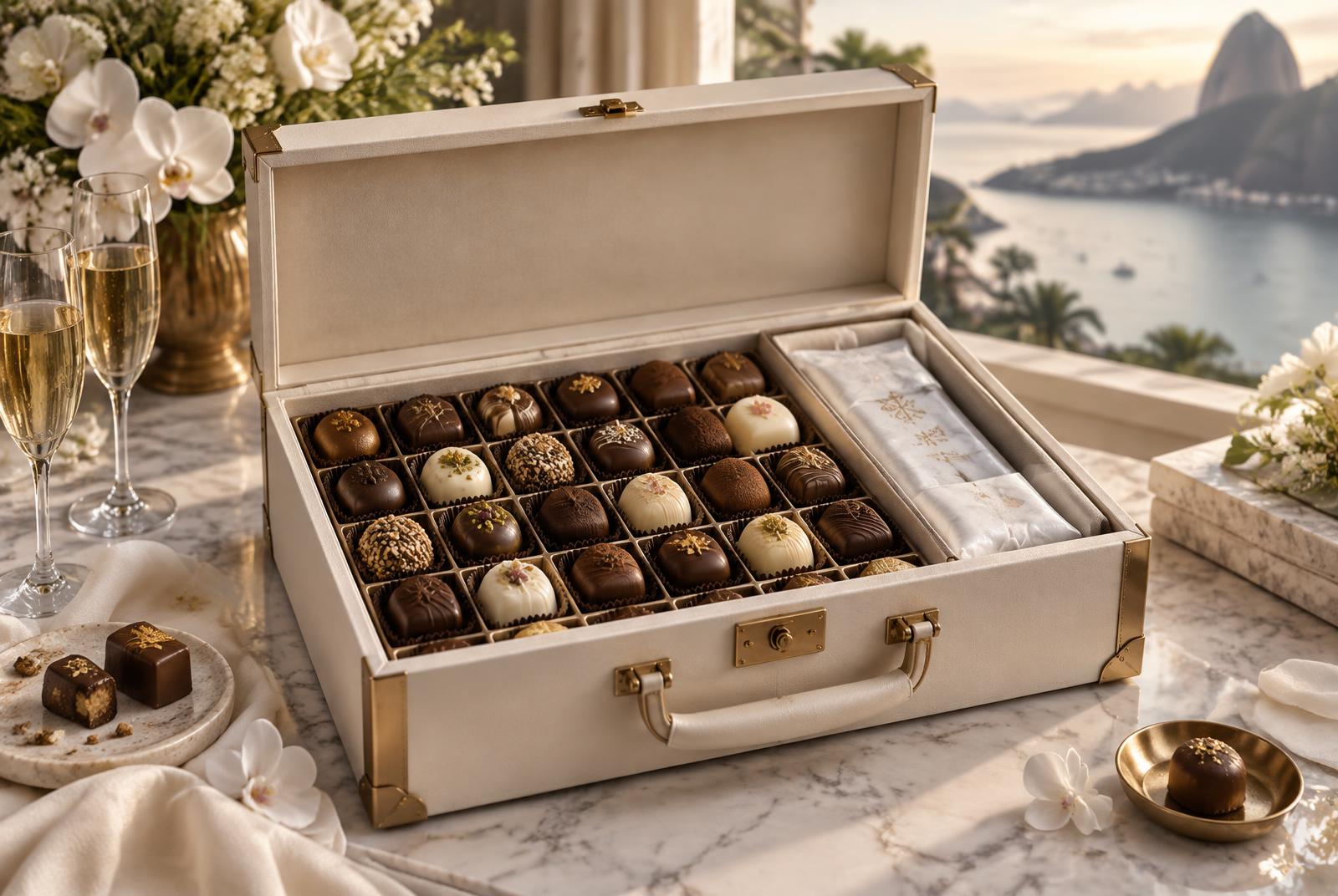
Guests see only a glossy bonbon, a well-preserved bite-sized sweet, a carefully arranged table.
They see the experience.
And it is precisely that experience that the weather should not interrupt.
Get our next editorials.
Receive the next issues of the Observatory, along with trends, stories and exclusive LEBBEKE content, straight to your inbox.
No spam. Unsubscribe anytime.