
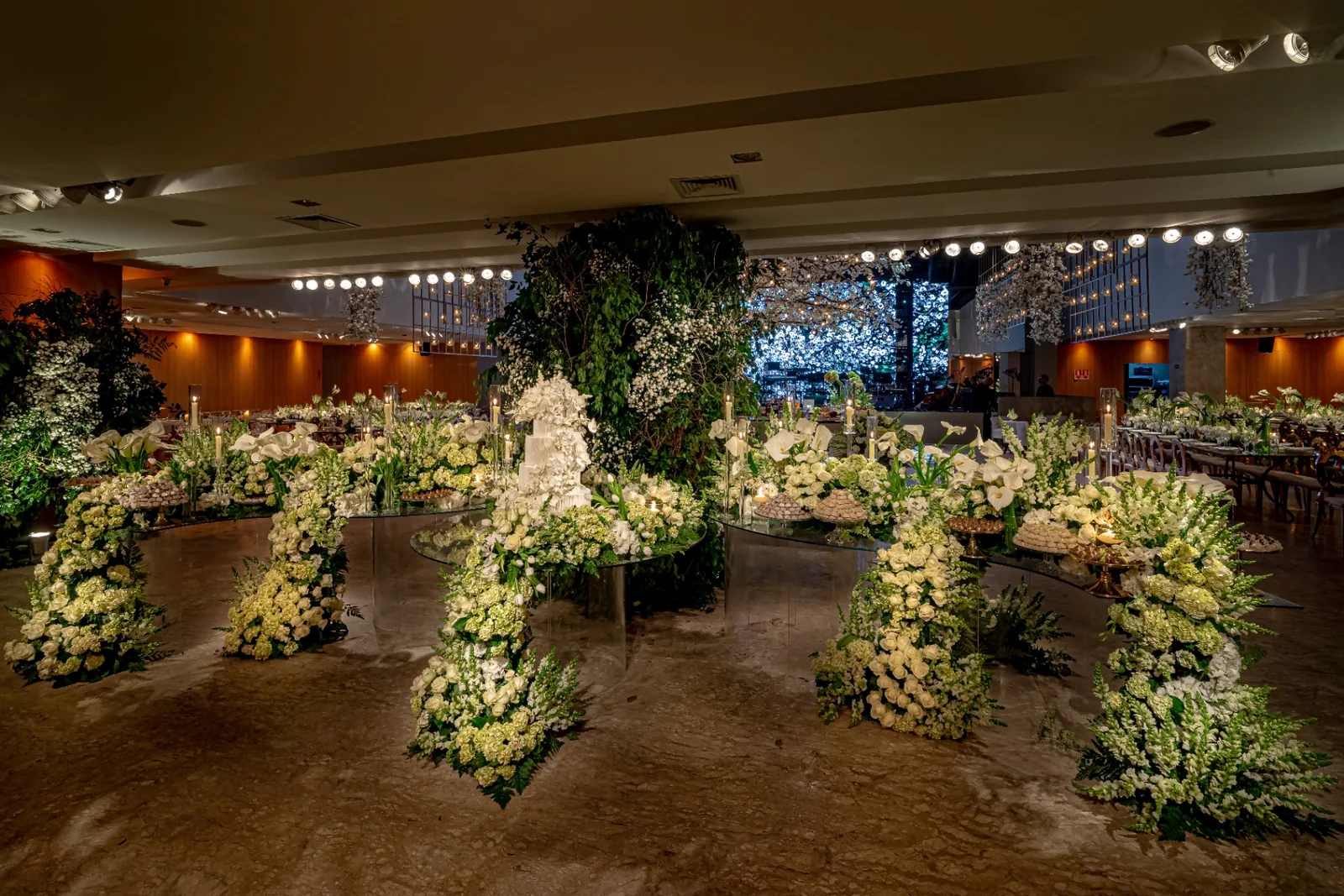
Over the past few decades, artisanal bonbons have evolved from a secondary feature on dessert tables to the main protagonist of contemporary celebrations. More than just a gastronomic shift, this movement reveals a transformation in how people perceive flavor, aesthetics, and experience.
But what explains this shift?
For a long time, the dessert tables at Brazilian weddings were defined by traditional recipes passed down through generations.
Egg-based sweets, camafeus de nozes, olho de sogra, quindins, and other Portuguese and Brazilian confectionery specialties naturally took center stage at these events.
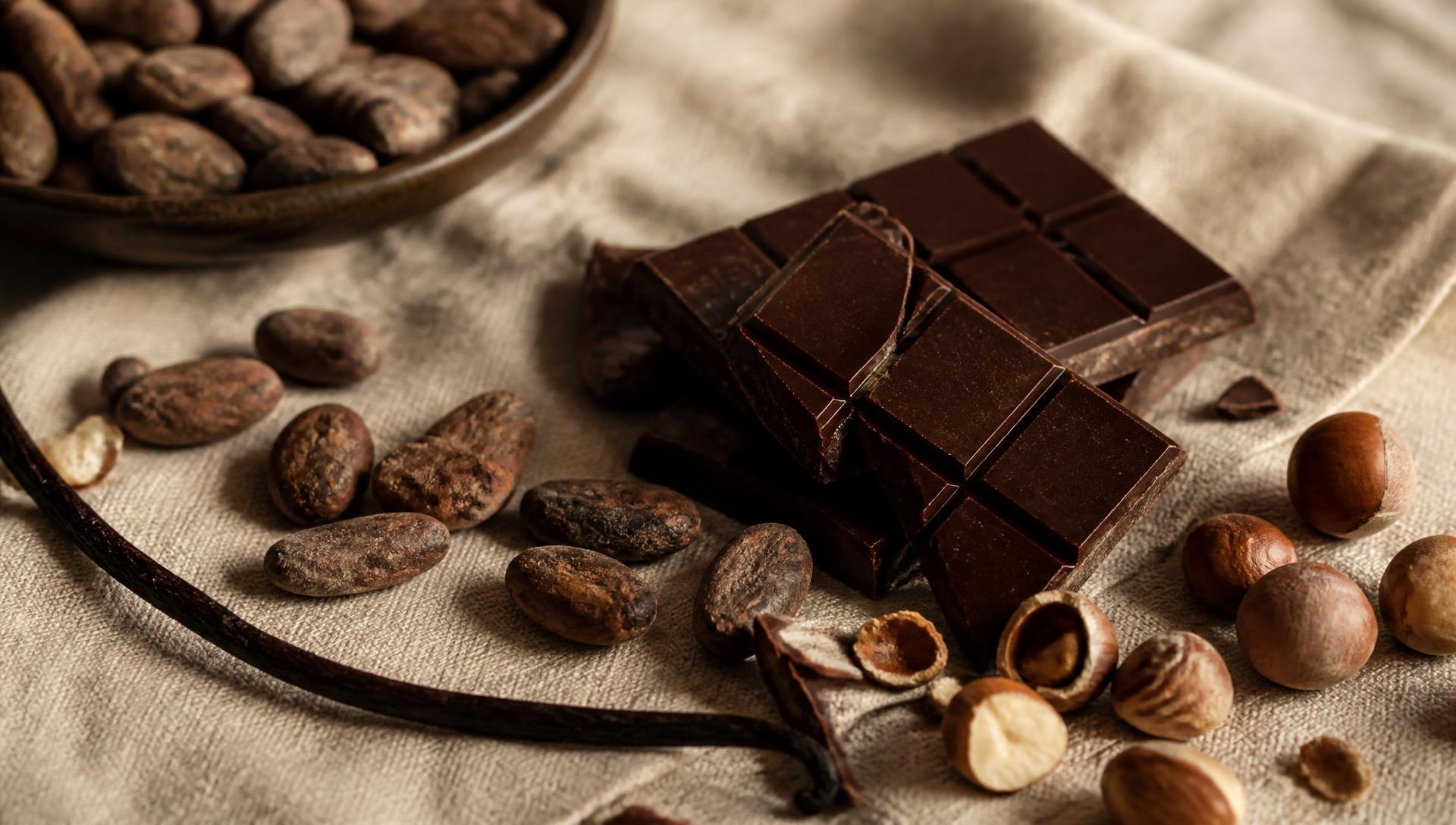
Today, however, a new star has claimed this space: chocolate, especially in the form of artisanal bonbons.
The presence of chocolate on dessert tables, however, did not happen overnight.
Chocolate-based sweets began to gain greater visibility in Brazilian celebrations during the 1940s and 1950s, a period that also saw the rise and popularization of brigadeiro.
In the following decades, the ingredient gradually gained ground until, in the 1980s and 1990s, confectionery underwent a decisive transformation.
The growing adoption of European techniques for tempering and molding bonbons, combined with the strengthening of the fine sweet concept, helped establish chocolate as a symbol of sophistication at major celebrations.
From Abundance to Curation
For a long time, the prestige of a dessert table was measured by its quantity and variety. Today, the logic seems different. Value lies less in excess and more in meaning. Less in abundance, more in curation. Less in repetition, more in identity.
The rise of artisanal bonbons on dessert tables represents not just a shift in gastronomic preference, but a deeper transformation in how celebrations are conceived and experienced: valuing experiences, identity, aesthetics, and meaning over tradition for tradition's sake.
The Future of Dessert Tables
In the coming years, dessert tables will likely be organized less around sheer variety and more as complete gastronomic experiences, where chocolate, fruits, nuts, and seasonal ingredients coexist in carefully selected collections.
The coming decade is likely to further consolidate a shift from quantity toward the quality of the experience. Here, signature collections and single-origin ingredients are poised to take an increasingly central role in celebrations.
This direction is also reflected in the broader evolution of celebrations, where weddings are becoming increasingly personalized, experiences more immersive, and choices more closely connected to the hosts' story.
In this context, artisanal bonbons are no longer just an element on the dessert table; they become an integral part of the celebration's narrative.
More than a change in the menu, the rise of chocolate reveals a cultural transformation. If, for decades, the dessert table reflected the traditions of a celebration, it now also expresses its identity. This shift is likely to become one of the defining transformations in event confectionery in the years to come.

Get our next editorials.
Receive the next issues of the Observatory, along with trends, stories and exclusive LEBBEKE content, straight to your inbox.
No spam. Unsubscribe anytime.