
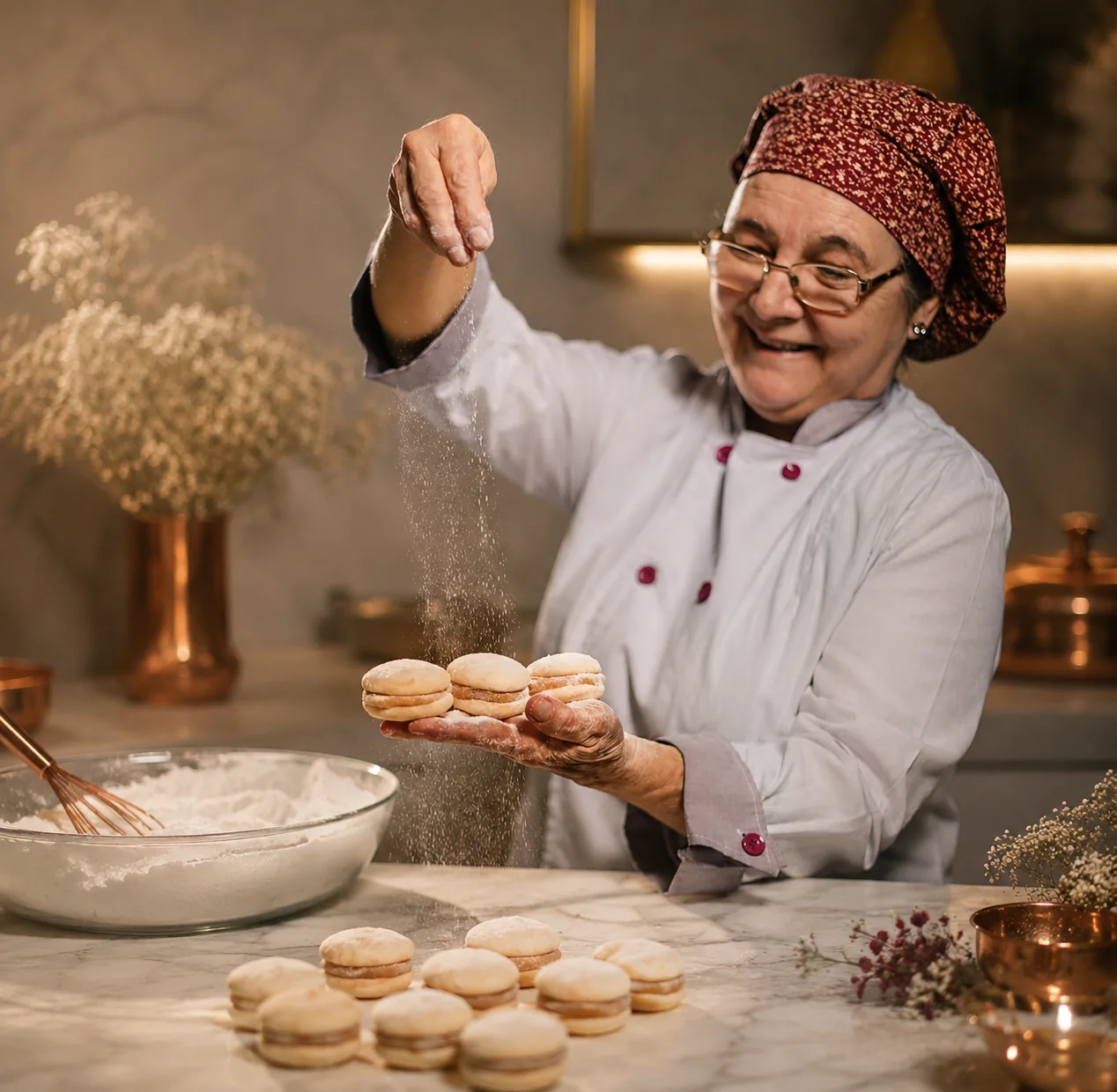
The story of a tradition spanning generations
Few confections have held such an enduring place at weddings as the bem-casado. Its origins trace back to Portugal, where a version known as casadinho emerged in the early 20th century and was later adapted in Brazil, becoming one of the foremost symbols of wedding celebrations. Although the Brazilian recipe has developed its own unique characteristics, the essence of the tradition has remained the same: celebrating the couple's union through a confection laden with meaning.
Traditionally served at the end of the celebration, the bem-casado represents wishes of luck, prosperity, and happiness for the newlyweds. Its very structure reinforces this symbolism: two halves of sponge cake joined by a filling, forming a single piece, have come to represent the union, mutual commitment, and the building of a life together. By offering it to their guests, the couple shares these same wishes, transforming the confection into a gesture of gratitude and celebration.
Over the years, popular beliefs have also emerged, further strengthening this tradition. One of the most well-known suggests that upon receiving a bem-casado, a guest should make a wish before taking the first bite, believing it may come true. Another widely held belief suggests that the confection must be eaten within three days of the wedding for its blessings of happiness and prosperity to be preserved. Whether one believes in these customs or not, they help explain why the bem-casado has transcended its gastronomic role to become one of the greatest symbols of Brazilian weddings.
What is the role of the bem-casado at a wedding?
More than just a tradition, the bem-casado plays a symbolic role within the celebration. When offered to guests, it represents a gesture of gratitude for the presence of those who have shared in this special moment, while also sharing the wishes of happiness, prosperity, and union intended for the couple.
Over the years, the bem-casado has found its place in different moments of the wedding. At some celebrations, it is part of the dessert table; at others, it is handed out at the end of the party as a thoughtfully prepared favor for guests to take a piece of the experience home with them. Regardless of how it is presented, its meaning remains the same.
This symbolism also explains why the bem-casado has endured across generations without losing its relevance. While many elements of celebrations follow trends and change over time, it continues to represent values that remain current: warmth, generosity, and the desire to share the couple's happiness with family and friends.
More than just a sweet served at the end of a celebration, the bem-casado symbolizes a gesture of affection. It is a way to thank guests for their presence and ensure that each person takes with them a memento that goes beyond its flavor, carrying with it the meaning of that moment.
What is the ideal quantity of bem-casados?
There is no single quantity that suits every wedding. The ideal number of bem-casados depends on the profile of the guests, the style of the celebration, and how the bem-casado will be presented and served during the celebration.
As a general guideline, planning for 1.5 and 2 units per guest is usually sufficient for most celebration. This amount usually allows each guest to enjoy the confection during the party and, in many cases, take one home as a favor.
In some cases, however, this estimate may vary. Weddings with more extensive dessert tables, guests who particularly appreciate sweets, or celebrations where the bem-casado plays a more prominent role may justify a more generous quantity, reaching up to three bem-casados per guest.
In practice, our recommendation usually starts at around 1.5 bem-casados per guest, providing a balanced starting point for most celebrations. From there, the quantity can be adjusted according to the specifics of each event, including the way the bem-casados will be served and whether guests are expected to take them home as favors.
Can the Bem-Casado be replaced?
Although the bem-casado remains one of the most enduring traditions in Brazilian weddings, its presence is not obligatory. Over the years, many couples have begun to adapt this tradition to the style of their celebration, choosing other options as favors for their guests without sacrificing the meaning behind the gesture.
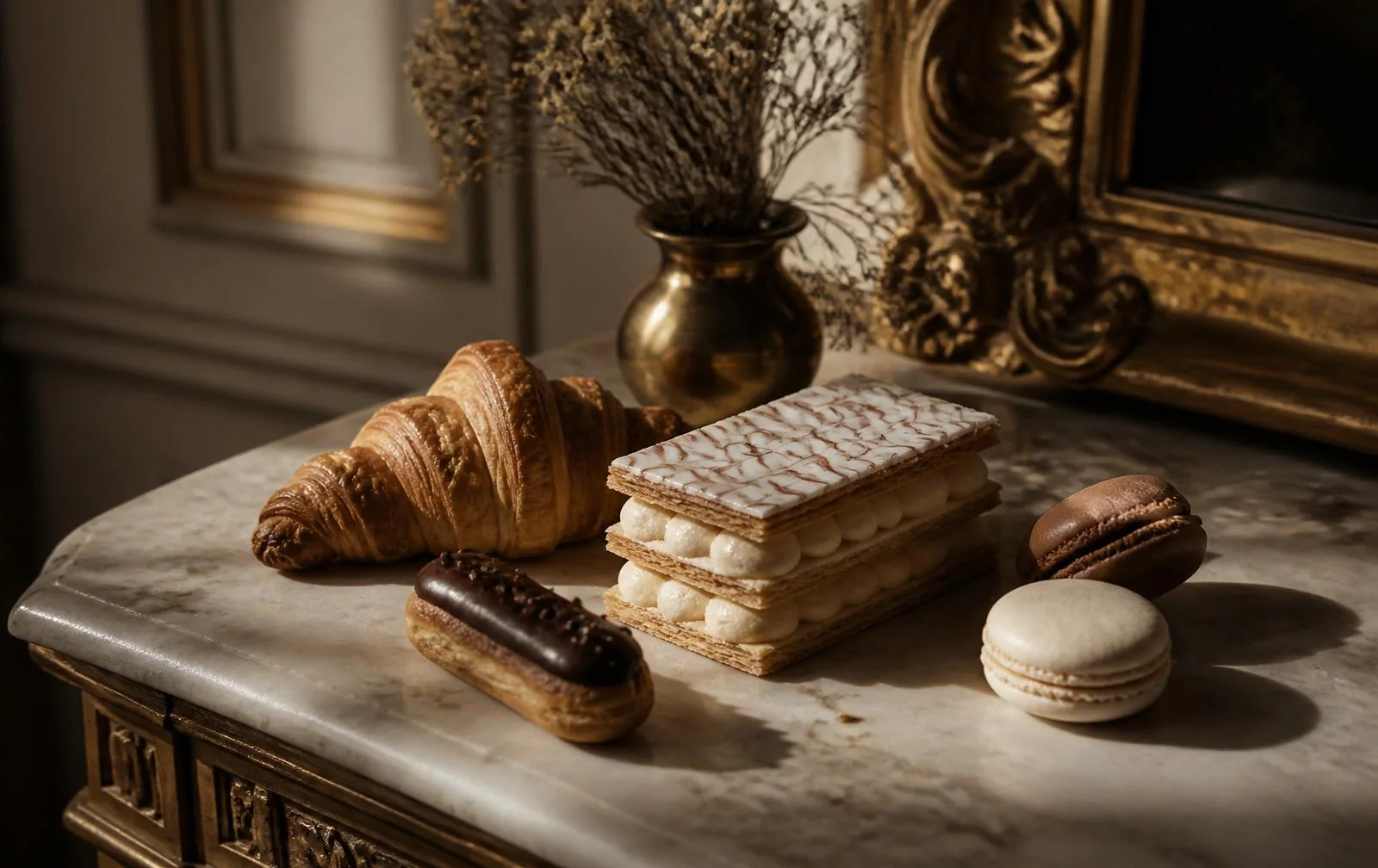
Among the most common alternatives are boxes of artisanal bonbons, brownies, pães de mel, macarons, individual cake slices, and other gastronomic favors prepared especially for the occasion. What they all have in common is their purpose: to thank guests for their presence and offer a keepsake that extends the experience of the celebration.
The choice between keeping the bem-casado and opting for another favor depends on the identity of the wedding, the concept of the dessert table, and the couple's preferences. More than following a specific tradition, the important thing is to preserve the thoughtfulness shown to guests and the intention of sharing this moment in a warm and memorable way.
For over a century, the bem-casado has held a place that extends far beyond gastronomy. Its history, symbolism, and role in celebrations help to explain why it continues to be present at weddings of many different styles.
Whether it is part of the dessert table, handed out as a favor at the end of the party, or even inspiring new interpretations of this tradition, its true meaning remains the same: to celebrate the couple's union and thank those who share in this special moment.
More than just following a tradition, choosing to offer a bem-casado or another favor that carries the same sentiment is a way of transforming a simple sweet into an affectionate memento that stays with guests long after the celebration has ended.

Get our next editorials.
Receive the next issues of the Observatory, along with trends, stories and exclusive LEBBEKE content, straight to your inbox.
No spam. Unsubscribe anytime.