
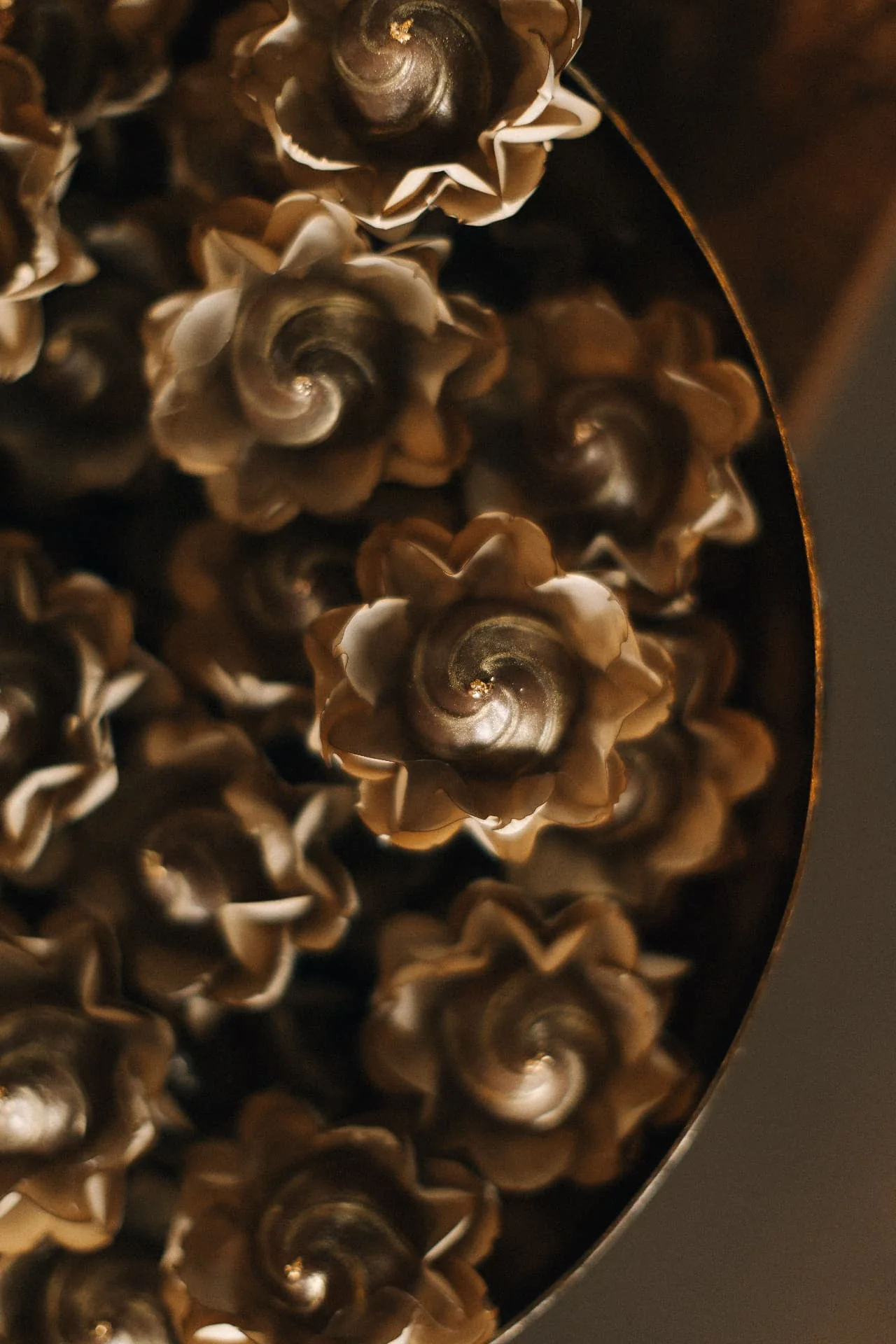
On a well-planned sweets table, every element contributes to the guest experience. Beyond the sweets themselves, details like stands, arrangement, and sweet cups help build a harmonious and functional presentation.
Far more than just a decorative element, these holders can enhance the sweets, facilitate serving, and reinforce the celebration's visual identity. Understanding when to use them is part of planning a balanced display.
The Role of Sweet Cups Extends Beyond Decoration
While often associated solely with aesthetics, sweet cups serve various functions on the sweets table. They help to highlight each piece, make them easier for guests to handle, and contribute to a more organized presentation.
When chosen thoughtfully, they cease to be mere holders for the sweets and become an integral part of the table's visual composition.
When to Use Sweet Cups
Their use is not a rule, but a choice that should consider the style of the celebration and the type of sweet being served.
They are often an excellent option for creating a more classic or sophisticated composition, where every detail contributes to the overall harmony.
On the other hand, displays with a more contemporary or minimalist feel might incorporate them into only part of the arrangement, allowing some sweets to be presented in their original finish. The most important thing is that this choice aligns with the celebration's identity and the experience you wish to provide for your guests.
Not Every Sweet Needs a Sweet Cup
Although sweet cups play an important role in many compositions, not all sweets depend on them to be showcased. In some instances, the finish itself is part of the presentation and deserves to be seen in its original form.
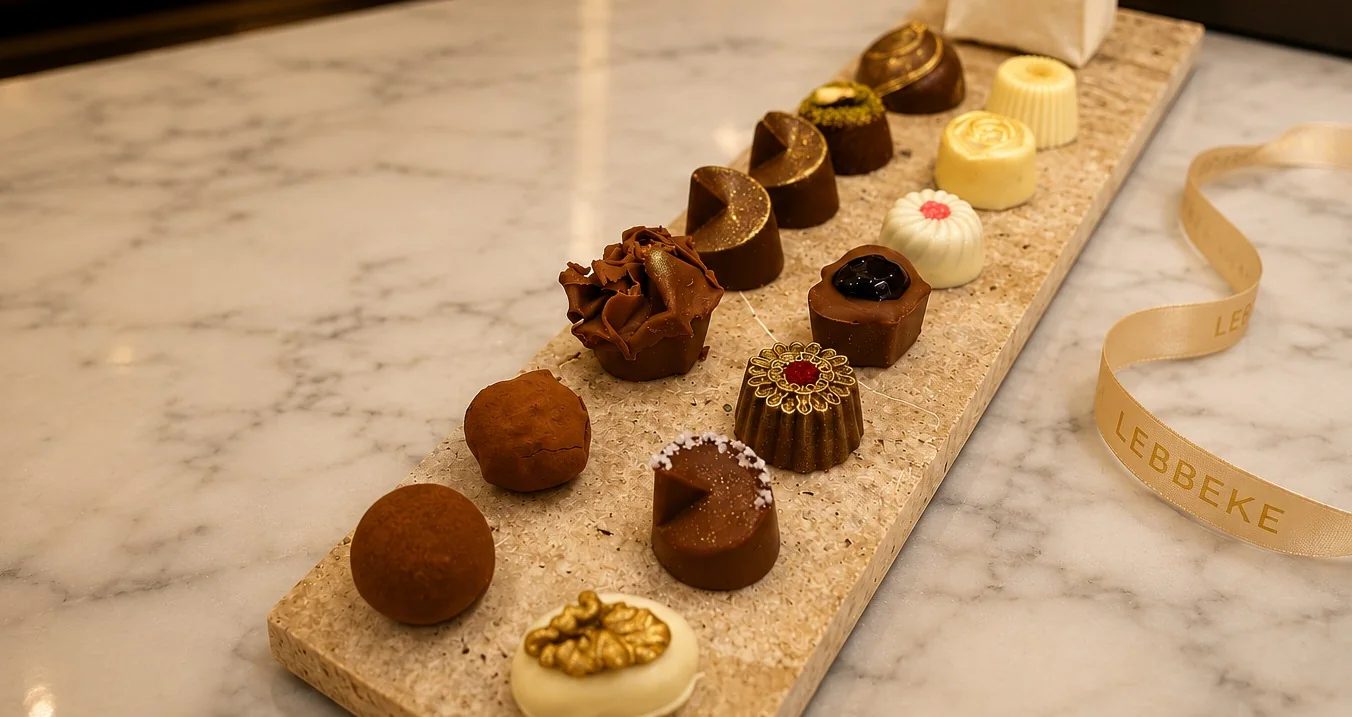
Molded bonbons, truffles, and chocolates with an artisanal finish, for example, often reveal details of shine, texture, and design that deserve to remain in the spotlight. Depending on the theme of the celebration, these sweets can be presented without them or in more discreet models that enhance the finish without competing with it.
The same applies to designs with smaller petals, mesh, or more open structures, which reveal a larger area of the sweet and highlight its finish, allowing it to remain the star of the composition. In this way, the holder no longer hides the sweet but acts as a complement to the arrangement.
More than deciding whether or not to use them, the key is to understand that they should serve the overall purpose of the display. A balance between different formats can result in a more dynamic, elegant, and coherent composition that reflects the celebration's identity.
The Material Also Matters
In addition to the shape, the material of the sweet cup also plays an important role in the composition of the sweets table. Paper, fabric, mesh, and other finishes produce different visual effects, influencing how each sweet is perceived by guests.
More structured designs tend to convey a classic and sophisticated appearance, while lighter models or those with open structures highlight the sweet's finish, allowing it to remain the focal point. The choice between materials depends on both the style of the celebration and the aesthetic vision for the table.
Regardless of the material chosen, the holder should enhance the sweet, not compete with it visually.
Integrating Sweet Cups with Your Décor
Sweet cups should not be chosen in isolation. They are part of the celebration's visual composition and should therefore align with the wedding's aesthetic, matching the color palette, materials, and overall style of the décor.
For more traditional events, for example, it is common to opt for more structured and elegant models. Contemporary celebrations, however, can explore more discreet shapes, textures, and finishes, allowing the sweets to take even more of a leading role. The important thing is that all elements communicate a unified visual language.
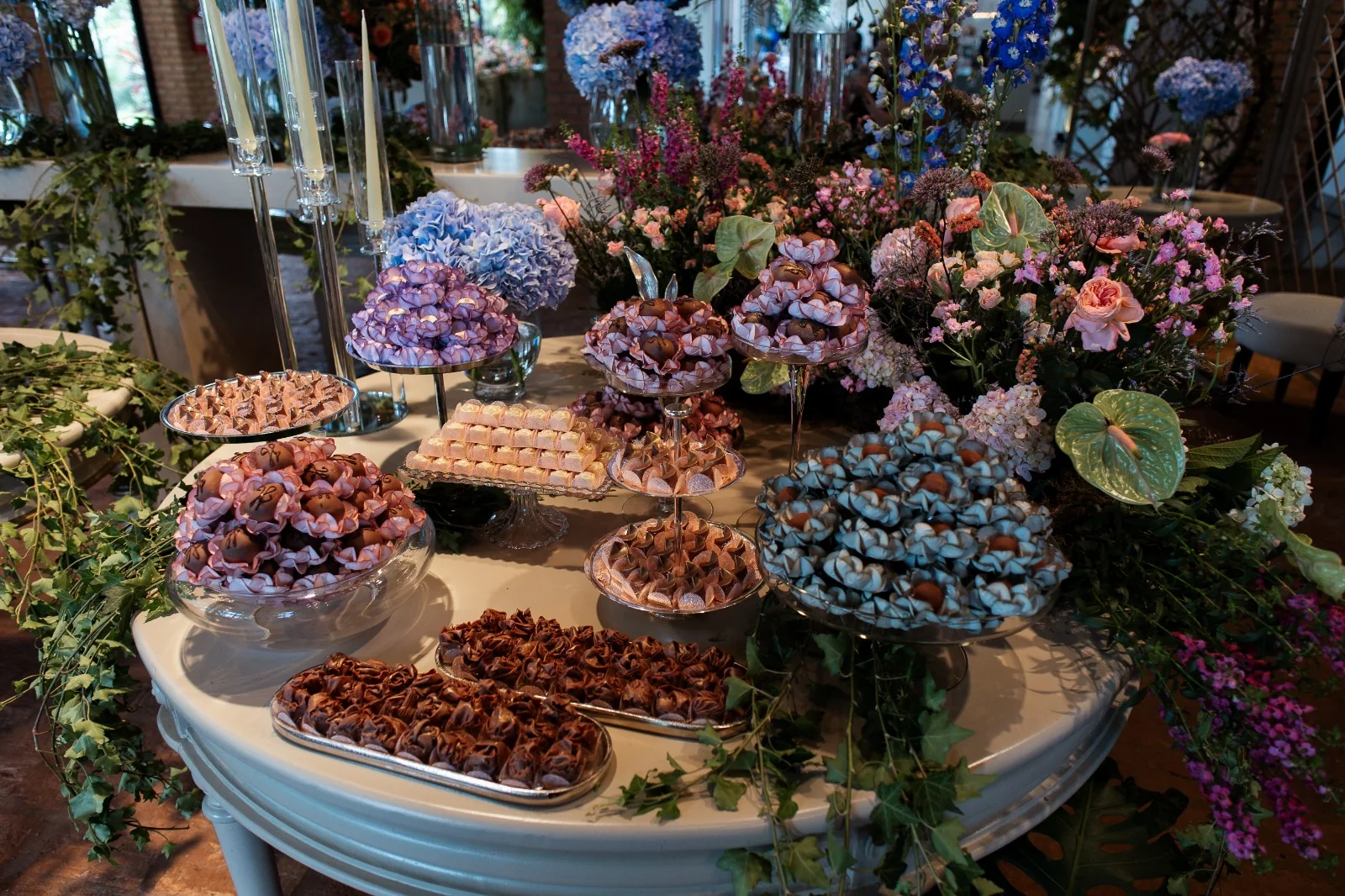
When there is harmony between the sweets, sweet cups, flowers, stands, and other details of the table, the presentation ceases to be a mere collection of individual items and becomes a single, unified composition. It is this attention to detail that transforms the sweets table into part of the celebration's aesthetic experience.
Balance Makes All the Difference
There is no single correct way to use sweet cups. The most elegant result often stems from a balance between functionality, aesthetics, and the theme of the celebration.
Rather than following trends or adopting a one-size-fits-all solution for all the sweets, it is worth seeking a composition where every element has a purpose. When choices are made consciously, sweet cups cease to be a mere detail and contribute to a more elegant, functional, and memorable display.
Get our next editorials.
Receive the next issues of the Observatory, along with trends, stories and exclusive LEBBEKE content, straight to your inbox.
No spam. Unsubscribe anytime.