
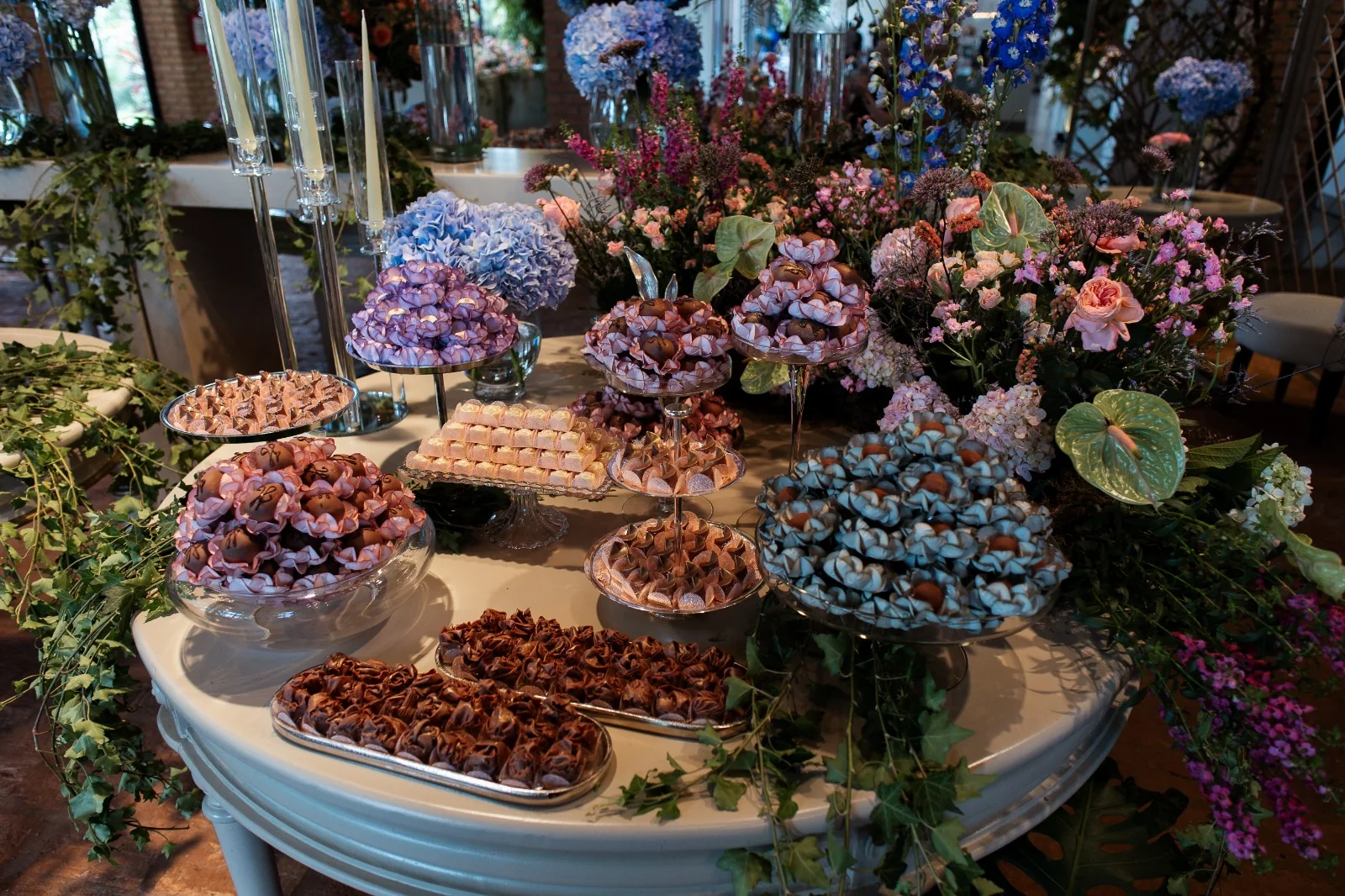
One of the most common questions for anyone planning a wedding seems simple: how many sweets should you serve per guest? The answer, however, depends on factors that go far beyond simple arithmetic. The time of day, the length of the reception, whether a separate dessert is served, the profile of the guests, and the variety on the table all directly influence consumption.
Is There an Ideal Number?
While there is no absolute rule, experience has shown that around 6 sweets per guest generally strikes an excellent balance between consumption, variety, and the overall presentation of the table.
Still, every celebration is unique. Therefore, it is generally advisable to plan for a range of 5 to 8 sweets per guest, adjusting the final number according to the style of the event.
What Influences the Number of Sweets?
The number of sweets needed for a wedding doesn't depend solely on the guest count. The time and duration of the event, the guest profile (whether they tend to consume more or fewer sweets), the availability of other desserts, and even the size of the sweets table itself directly influence this calculation. Considering these factors helps create a well-balanced display, avoiding both excess and any feeling of scarcity.
The size of the sweets table also warrants consideration. A large, tiered, or expansive table requires a greater number of sweets to convey a sense of abundance and maintain a harmonious composition. Conversely, smaller tables can achieve the same visual impact with fewer individual pieces.
Quantity or Variety: What Adds More Value to the Table?
When planning the sweets table, a common question arises: is it better to invest in a larger quantity of a single type of sweet, or to offer a wide variety of flavors?
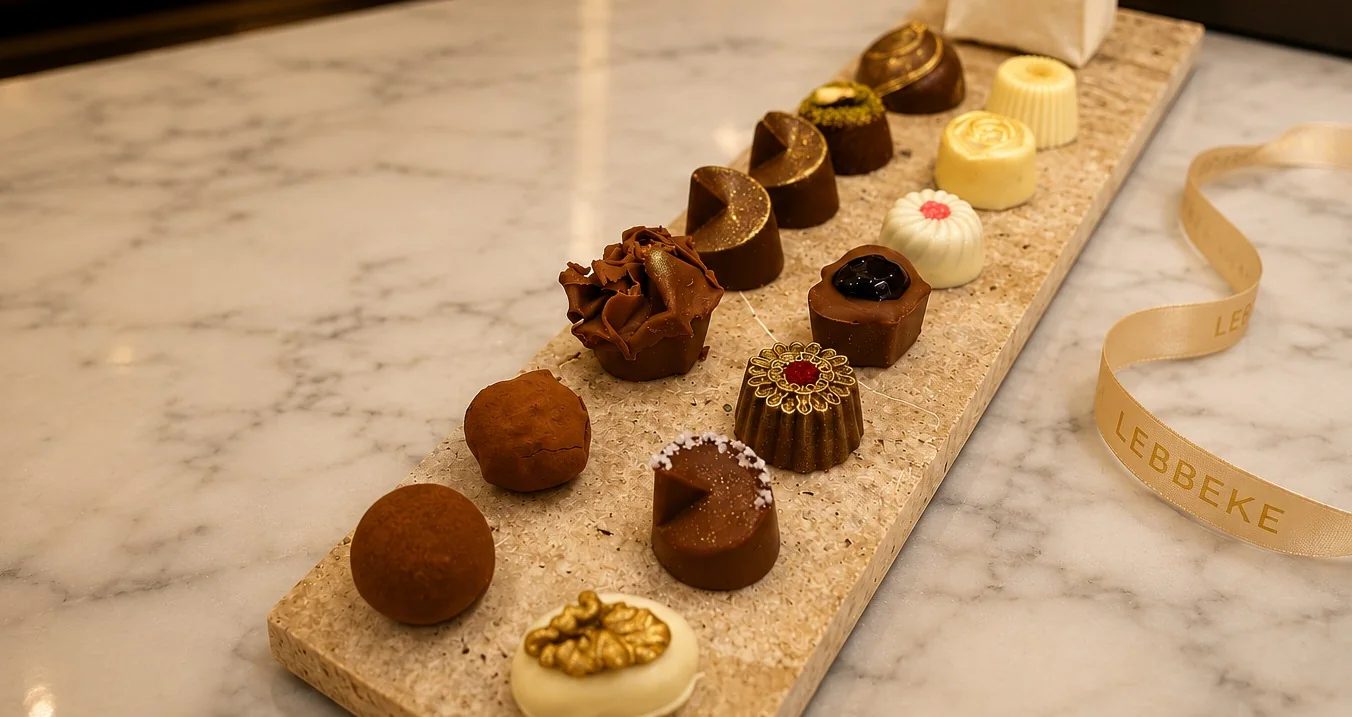
In most cases, variety tends to create a more engaging experience for guests. Different combinations of chocolates, fruits, nuts, caramels, and textures pique curiosity and invite people to try new flavors throughout the celebration.
This doesn't mean you need to offer dozens of different options. A balanced menu with a thoughtfully curated selection of flavors often serves guests better than an overly broad table that lacks a distinct identity.
More than just the total number of sweets, a well-planned table is one that balances variety, presentation, and quality. When these elements work in harmony, every guest can find options that appeal to their palate, making the experience richer and more memorable.
A good composition typically combines different flavor profiles, bringing together classic chocolates, fruit-based options, nutty varieties, and more unique, signature creations. This diversity broadens the range of choices and makes the tasting experience more interesting for all guests.
The Most Common Mistakes in Planning a Sweets Table
Determining the number of sweets is just one part of the planning process. Over the years, we've seen a few common mistakes that can compromise both the guest experience and the table's presentation.
Focusing Only on Quantity
A table piled high with sweets doesn't always guarantee the best experience. When the focus is solely on quantity, crucial aspects like variety, flavor balance, and presentation can be overlooked.
Not Considering the Guest Profile
Every wedding is different. The average age of the guests, their consumption habits, and even the style of the celebration directly influence how the sweets table will be received. Ignoring these details can result in either a surplus or a shortage of sweets.
Forgetting Other Culinary Attractions
When the event includes plated desserts, a coffee station, a gelato cart, or other culinary experiences, the consumption of sweets will naturally differ. Planning the sweets table in isolation can lead to inaccurate estimates.
Planning by Numbers Alone
A sweets table should not be planned based on calculations alone. Beyond the guest count, it is vital to consider the harmony of the display, the size of the table, the variety of flavors, and the overall experience you wish to create. It is these elements, working together, that transform the sweets table into one of the most memorable highlights of the celebration.
How to Find the Ideal Balance for Your Wedding
There is no one-size-fits-all formula for every wedding. The ideal number of sweets is the result of a careful balance between the guest count, the style of the celebration, the duration of the party, the guest profile, and the overall concept for the sweets table.
As a starting point, planning for approximately six sweets per guest is an excellent benchmark for most weddings. From this number, you can make small adjustments based on the specific characteristics of your event, staying within the recommended range of five to eight sweets per person.
More than simply settling on a number, the goal of your planning should be to achieve a harmonious combination of flavor variety, high-quality sweets, and beautiful presentation.
When planned with attention to detail, the sweets table transcends its purely gastronomic function to become an integral part of the celebration experience. After all, it is this meticulous care that helps turn a special moment into a lasting memory for your guests.
Get our next editorials.
Receive the next issues of the Observatory, along with trends, stories and exclusive LEBBEKE content, straight to your inbox.
No spam. Unsubscribe anytime.