
LEBBEKE Editorial No 007 · Weddings
How to Choose the Sweets for Your Wedding
More than just selecting flavors, choosing the sweets for a wedding is about curating an experience that reflects the couple's identity and makes the celebration even more memorable.
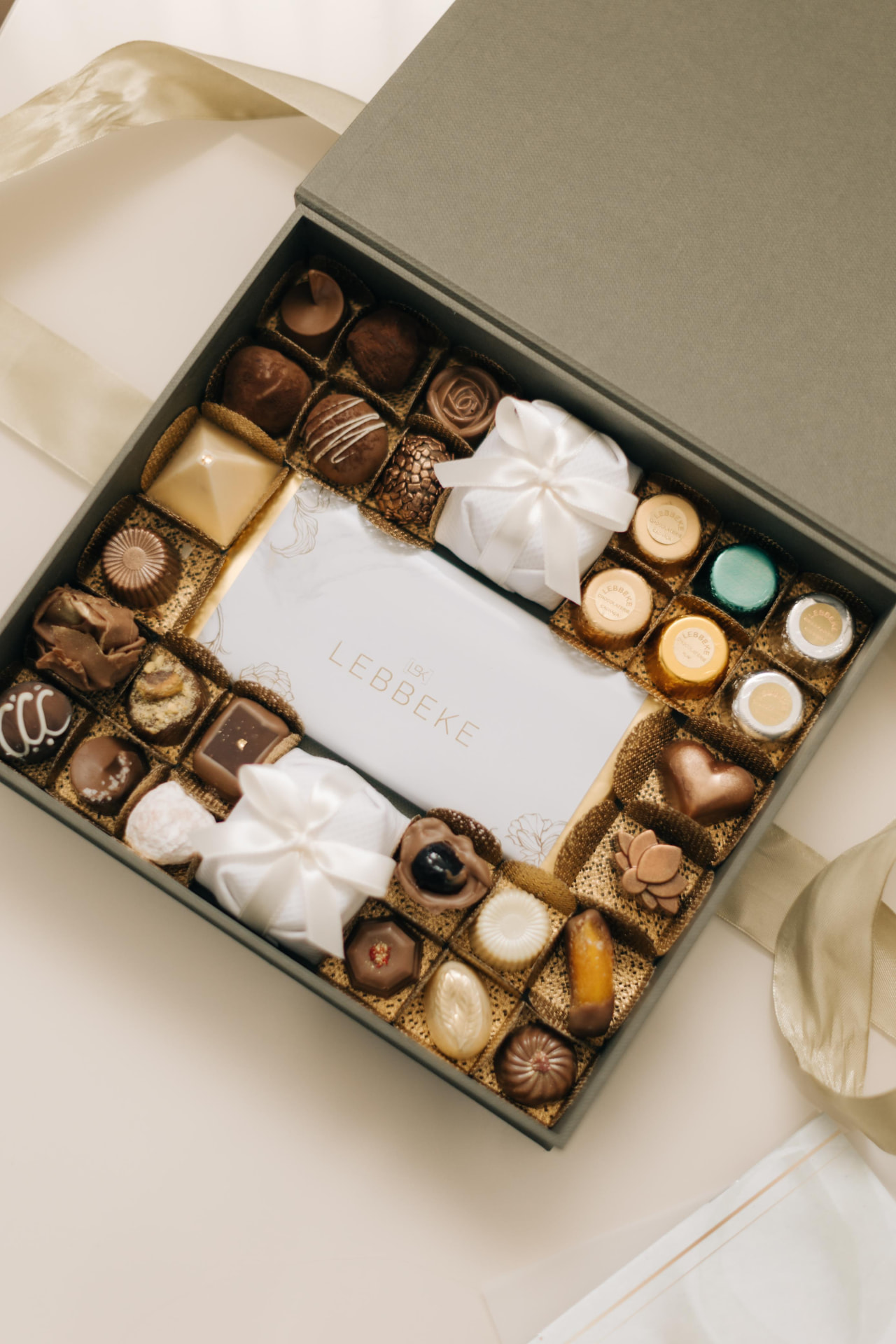
The Sweet Selection Begins with a Tasting
Choosing the sweets for a wedding goes far beyond simply deciding on a list of flavors. Before any decisions are made, there is a fundamental step in the process: the tasting. It is during this experience that the couple has the opportunity to discover not only the confections themselves, but also the philosophy, care, and identity of the confectionery responsible for making this part of the celebration unforgettable.
During an in-person tasting, each sweet is presented individually, allowing the couple to learn about the composition, ingredients, history, and concept behind each creation. More than just sampling different flavors, this moment invites the couple to understand how each confection can contribute to the experience they wish to offer their guests.
A tasting also allows the couple to perceive characteristics that would be difficult to evaluate from photographs or a catalog description alone. Textures, flavor intensity, the balance between ingredients, and even the ideal sequence in which to try each creation are all part of this experience, making the selection process more conscious and enjoyable.
Furthermore, the conversation with the pastry chef or the team enriches the process even more. This is when guidance on flavor pairings, variety, guest profiles, and the composition of the sweet table emerges, transforming the tasting into a truly collaborative creation, not just a product sampling.
More than just deciding which sweets will be at the wedding, the in-person tasting allows the couple to learn the story behind each creation, understand the brand's identity, and actively participate in crafting a gastronomic experience that reflects their own celebration.
The Tasting Box: An Excellent Alternative
An in-person tasting isn't always possible. Many couples plan their weddings from a distance, live in other cities, or have schedules that make a meeting difficult. In these cases, a tasting box becomes an excellent alternative for discovering the quality of the sweets and beginning the selection process.
It allows the couple to sample different creations in the comfort of their home, get to know the flavors developed by the confectionery, and have a first contact with the brand's gastronomic identity. For many couples, this is the first step toward understanding the style of the sweets and identifying the options that most pique their interest.
At the same time, it is important to understand that the tasting box experience is different from an in-person tasting. Couples typically receive a selection with dozens of bonbons and sweets to be sampled in a short period. As the tasting progresses, it's natural for the palate to become less sensitive, making it harder to perceive the nuances of flavor, texture, and intensity from one creation to the next.
Moreover, a tasting at home occurs without the guidance of the pastry chef or the responsible team, which means forgoing the stories behind each sweet, the advice on flavor pairings, and the collaborative process of building the selection that will be part of the celebration.
This does not diminish the importance of the tasting box. On the contrary, it remains an excellent tool for assessing product quality and initiating the selection process. However, whenever possible, an in-person tasting offers a more complete experience, allowing each sweet to be appreciated in its context and the final selection to be made with even greater confidence and balance.
More Important Than Your Favorites: Curating a Balanced Table
After the tasting, it’s natural for every couple to have their favorite sweets. However, the final selection for the table should not consist solely of the couple's personal choices. After all, it will be enjoyed by guests with different preferences, habits, and palates.
A well-planned sweet table aims to offer balance. Instead of gathering only intense chocolates or only delicate flavors, it seeks to combine different gastronomic profiles, allowing every guest to find options that appeal to them throughout the celebration.
This diversity also involves contrasts in texture and intensity. Creamier bonbons can be combined with crunchy options; classic flavors harmonize with more contemporary creations; fruits, nuts, milk chocolate, dark chocolate, and white chocolate coexist in a balanced way, providing a richer and more dynamic experience.
Another important aspect is to think of the tasting as a journey, not a sequence of isolated sweets. When there is variety, guests are usually tempted to try new combinations throughout the party. A table composed of very similar sweets, on the other hand, can make the flavors seem repetitive after the first few tastes.
More than just a collection of the couple's favorite sweets, a good selection is one that manages to translate their personality while providing a complete experience for all guests. It is this balance that transforms a sweet table into one of the most memorable moments of the celebration.
Every Wedding Calls for a Different Selection
There is no universal list of sweets that can suit every wedding. Each celebration has its own characteristics, and the choice for the sweet table should reflect not only the couple's preferences but also the style of the party, the profile of the guests, and the desired experience.
An intimate wedding, for example, allows for a highly personalized selection, featuring sweets that are meaningful to the couple or that tell a part of their story. Large celebrations, on the other hand, usually call for a wider variety of flavors and profiles to ensure that different groups of guests find options that pique their interest.
The time of the reception, the format of the event, and even the season can also influence this choice. Instead of following a ready-made list, the most important thing is to understand the context of the celebration to build a selection that is harmonious and consistent with the wedding's overall concept.
Therefore, choosing the sweets should not be seen as a simple menu decision, but as part of the celebration's design. When this selection is made carefully and is personalized, the sweet table ceases to be just a collection of desserts and begins to express the identity of the celebration in every detail.
Choosing the sweets for a wedding goes far beyond deciding which flavors will be on the table. It is a process that begins with the tasting, matures through expert guidance, and is completed by curating a selection capable of reflecting the couple's identity and providing a memorable experience for the guests.
More than discovering which sweets please one's own palate, choosing well means understanding how different flavors, textures, and styles can coexist in a balanced way to make the celebration even more special.
When this decision is guided by time, care, and expertise, the sweet table is no longer just one element of the celebration. Instead, through each creation, it begins to tell a part of that wedding's story.
Get our next editorials.
Receive the next issues of the Observatory, along with trends, stories and exclusive LEBBEKE content, straight to your inbox.
No spam. Unsubscribe anytime.